114 min read
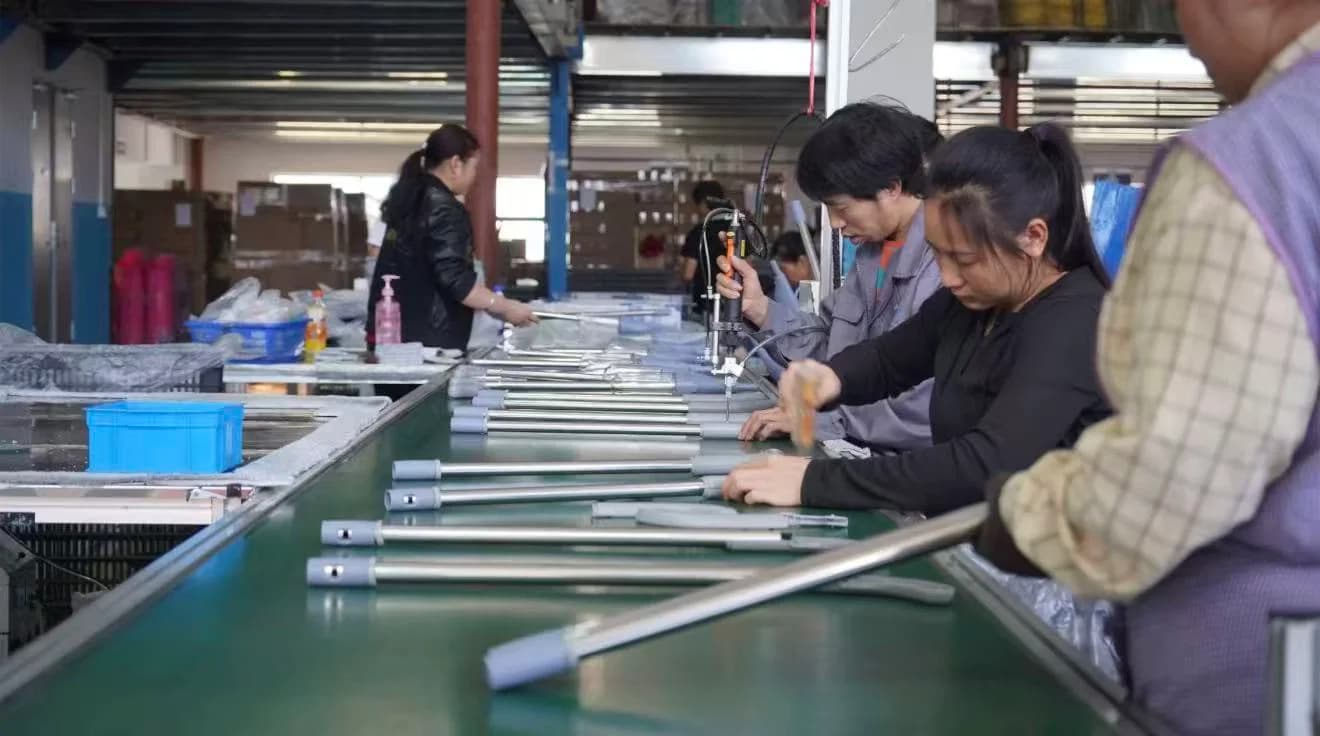
A mop project may combine textile conversion, tube processing, molded parts, purchased mechanisms, assembly, packing and inspection. The correct map depends on the model and responsible sites. Ask who performs each stage, what is checked, what record is retained and which approved sample or specification controls the handoff.
Read the guide →124 min read
Do not infer responsibility from a group description or a finished-product photograph. For the selected model, request a responsibility map that identifies the legal entity and site for critical components, final assembly, inspection and document release. Then define how specifications, approved samples and nonconformities move across those boundaries.
Read the guide →134 min read
Burrs, sink, warpage, cracks and fit problems are influenced by part design, tooling, material, process and handling. A buyer does not need to prescribe machine settings, but should define critical dimensions, functional interfaces, appearance zones and sample references, then ask how the supplier controls and records them.
Read the guide →144 min read
Inspect the finished handle, not only the incoming tube. Cutting, punching, forming, coating, printing and assembly can introduce sharp edges, scratches, distortion, finish gaps or joint problems. Define critical zones, lighting, dimensions and functional checks so appearance and operation are judged consistently.
Read the guide →154 min read
Material and GSM do not control a finished pad by themselves. Cutting, layering, sewing, attachment elements, edge finish and care conditions affect fit and appearance. Define how the pad is conditioned and measured, then compare initial and post-care dimensions, seams, surface and frame fit.
Read the guide →164 min read
A durability claim needs a defined specimen, load direction, fixture, cycle, environment and acceptance rule. Universal loads or cycle counts should not be copied across products. Start with foreseeable use and failure modes, screen the sample, then agree contractual methods and limits for the selected configuration.
Read the guide →174 min read
Leakage, blockage, spray pattern and trigger durability are separate checks. Results depend on bottle fit, seals, tubing, nozzle, liquid, orientation, temperature and cycling. Approve the proposed liquid system as an assembly and keep chemical compatibility, shipping posture and user maintenance inside the project brief.
Read the guide →184 min read
Spin speed alone does not establish reliability or drying performance. Review the user input, transmission, basket, bearings or pivots, bucket stability, splash control and drain path together. Tests should use representative water, load and assembly, then record wear, looseness, noise and function after cycling.
Read the guide →194 min read
Cleaning removal, water pickup, retained water, release after wringing and visible residue are different outcomes. Compare them with labeled samples, controlled preparation, the same floor and soil, and separate acceptance notes. A result on one task does not prove suitability for every floor or claim.
Read the guide →204 min read
Keep the approved sample, written specification, artwork, component revisions and exceptions together. Before production, identify which sample is stock, development or pre-production and how it represents the order. For repeat orders, review changes in materials, tooling, sites and documents rather than relying on the previous item code alone.
Read the guide →214 min read
Begin with identity: model, revision, color, pack and quantity. Then check appearance, dimensions, assembly, function, critical mechanisms, labels and packaging against the approved reference. Sampling level and acceptance criteria must be agreed for the project; an inspection does not prove every unit or every performance claim.
Read the guide →224 min read
There is no universal mop certificate pack. Requirements depend on destination, buyer policy, materials, liquid contact, electrical content if any, packaging and public claims. Request the exact document, holder, issuing body, method, specimen, scope, date and validity, and confirm that it covers the quoted item and color.
Read the guide → Mop systems by Sinocleans