 Mop systems by Sinocleans
Fluid path, trigger and spray system
Spray mops
- Spray pattern and consistency
- Buyer-defined trigger cycle test
- Bottle, cap and connection leak check
- Nozzle, tube and fluid-path assembly
- Handle lock, swivel joint, plate and pad attachment
Loading
About Quality
This is a release-control requirement—not an independently audited historical defect-rate claim, a universal zero-defect guarantee or a third-party certification.
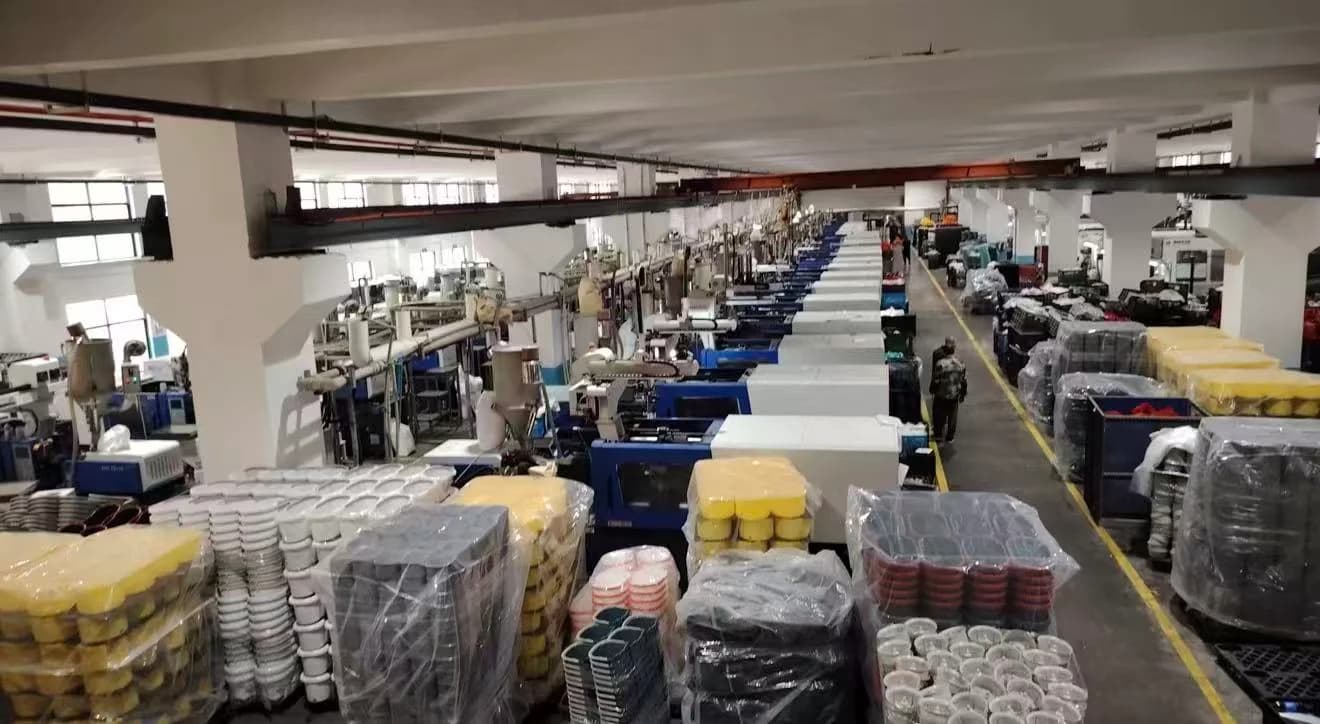
Inspection environment
Each order is reviewed against one written acceptance plan, with a defined place for inspection, documentation and release. We connect the approved sample, incoming materials, assembly checks, product-specific tests, packaging verification and shipment records to that same order-level plan.
Inspection responsibilities, access, equipment, sampling methods and required evidence are confirmed for the specific project before finished goods are released.
Product-specific checks
Fluid path, trigger and spray system
Frame, handle and pad interface
Wringer, basket, pedal and bucket assembly
Sponge construction and squeeze mechanism
Textile consistency and attachment
Pack accuracy and shipment protection
Quality control workflow
Before production, approve the physical product and retail pack. Freeze the model, specification, colour references, artwork revision and buyer-defined defect classes as the inspection basis.
Check moulded parts, metal tubes, textiles or sponge, fasteners and purchased components against the approved requirements before they enter production.
Confirm fit, dimensions, joints, operation, appearance and packing method on the first assembled units. During the run, monitor connection stability, pad or refill attachment, stitching and assembly accuracy.
Apply only the tests relevant to the selected mop family, using buyer-approved methods, sample sizes and pass limits. The company-published process references a photo update at approximately 50% completion; confirm the timing for the order.
Verify pack contents, artwork, barcodes, labels, carton marks, dimensions, weight and agreed transport tests. Inspect the finished lot under the written sampling plan and defect limits; confirm whether the published AQL 2.5 reference and buyer or third-party inspection access apply to the order.
Compile the inspection record with photos or test evidence, obtain release authorisation and keep the approved physical reference linked to the order for later comparison.
Next step
Send the model, target quantity, destination market and packaging brief. We will review the exact configuration and confirm the commercial details in writing.